Opinion


It is a form of generosity for authors to give young adults access to important histories—histories that are no less crucial simply because they are not yet required reading or don't appear on standardized tests.

Pat Schmatz's Lizard Radio comes at a key social moment, with trans identities and gender fluidity gaining increasing mainstream recognition. The YA author spoke with SLJ on the nuances of that well-wrought term dystopia and letting characters speak for themselves, including the work's 15-year-old protagonist, 'bender' Kivali.

The maker movement has shown the efficacy and potential for play-based learning at higher grade levels. Chris Harris posits that an incredibly successful way to implement play-based learning in K–12 content areas is through games.
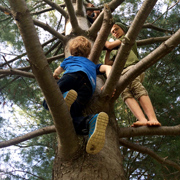
Study after study shows that kids thrive when they get the play and exercise they need. Like grown-ups, they are happier, sleep better, and even learn better. So, why do we increasingly encourage a sedentary lifestyle?

Lullabies, nursery rhymes, clapping songs, and lap bounces sung en español are ideal ways to introduce all children to the beauty and sheer joy of song. Tim Wadham recommends titles and songs for bilingual and Spanish-language storytimes.

On June 1, Faythe Arredondo, Sarah Hannah Gómez, Kelly Jensen, and Angie Manfredi, four bloggers, readers, and (mostly) librarians launched the “Size Acceptance in YA” Tumblr examining “fatness, fatphobia, body shaming, body policing, body objectification, and all other things relating to size and body acceptance in YA literature.”

Attendees of the 2015 ALA Annual Conference added their favorite diverse book suggestions to 3M's heart-shaped display made of rainbow-hued Post-it notes.
The challenge for nonfiction writers is to discover the best pathways into the world in any form, to build a compelling narrative in words, but, also, to find ways to weave in the sounds, the images, the videos that best complement the text.
1,947 articles
ALREADY A SUBSCRIBER? LOG IN
We are currently offering this content for free. Sign up now to activate your personal profile, where you can save articles for future viewing
ALREADY A SUBSCRIBER? LOG IN
Thank you for visiting.
We’ve noticed you are using a private browser. To continue, please log in or create an account.